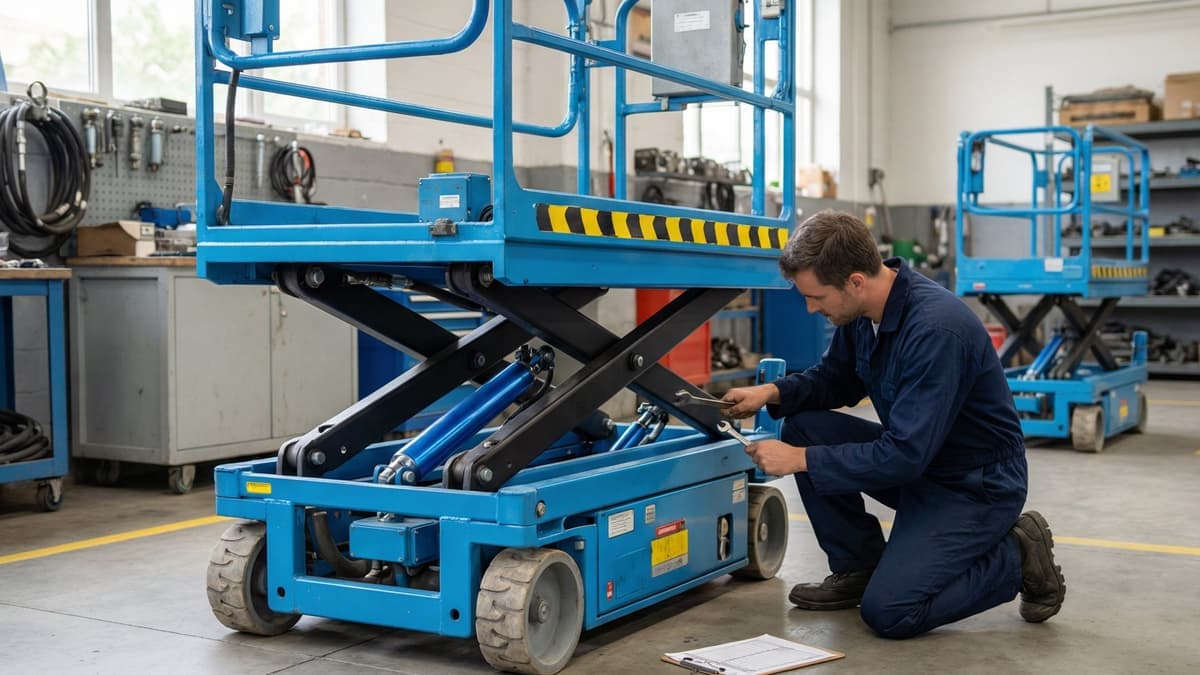
12 months or 1,500 working hours from the bill of lading date, whichever comes first, covering the structure, drive motors and hydraulic components.
That is the warranty on every machine we sell, and it is one sentence with two limits in it. Which limit binds depends entirely on how hard the machine is worked, and most buyers read only the first word.
Two buyers, two different warranties
The arithmetic below is calculated from the published terms. It is not a measurement of any machine, and your own duty cycle is the number that matters.
Buyer | Working hours per month | 1,500 hours arrives after | Which limit binds |
|---|---|---|---|
Rental fleet, 8 h a day, 22 days a month | 176 | about 8.5 months | hours, 3.5 months early |
Poultry house, 2 h a day, 26 days a month | 52 | about 29 months | the 12 month calendar |
Same sentence, same machine, and the rental fleet gets eight and a half months of cover while the barn gets the full twelve. If you buy on the assumption that a warranty means a year, a rental duty cycle is the case where that assumption costs you.
The clock starts at the bill of lading
Not at arrival, not at commissioning. For an ocean shipment that means part of the twelve months is spent on the water, and your in service cover is shorter than twelve months by exactly the transit time. When you compare a local supplier's twelve months against ours, this is the first thing to normalise for.
What is covered, what is not
Covered:
the structure
the drive motors
the hydraulic components
Excluded:
wear items
batteries
damage from overload or incorrect operation
Batteries are the exclusion people push back on hardest, and it is the right one. A 48 V 12 Ah pack on a stand on lift and a customisable 48 V 50 to 150 Ah pack on a crawler are consumables with a cycle life, and how long they last is mostly a function of how they are charged. What the warranty covers is the parts that fail because of how they were built.
Making a claim
Failure parts are replaced free during the warranty period. We ask that the defective part be returned or photographed, so in practice a message with the part in good light and the model plate visible is enough to start. Common wear kits ship from stock within three working days.
Before the machine arrives
Decide who records the hours. If the machine is going into a fleet, the hour reading is the only evidence of which limit you are under.
Check the ground under the machine against the undercarriage you chose: tracks, tyres or outriggers.
Keep the proforma invoice and the bill of lading together. The second one sets the warranty period.
The full clause, including spare parts and what documents come with a shipment, is on the delivery and payment terms page.